Frequently Asked Questions
Although research is increasing in this area, people are still not completely informed about perinatal anxiety. So, you might find that you encounter some misunderstandings. Educating yourself about perinatal anxiety may lessen your distress.
Click the questions below to find out more.
-
What is perinatal anxiety?
Perinatal anxiety refers to anxiety that happens during pregnancy or in the first year after birth. Many people feel some worry during this time, but perinatal anxiety is when these feelings become intense, long-lasting, or start to interfere with daily life. It is a real health condition and one that many people experience.
-
Why do I have perinatal anxiety?
We don’t 100% know why some people develop perinatal anxiety whilst others don’t. There isn’t one single cause, and everyone is different. However, research shows that certain things can make it more likely. These include:
- having had anxiety, depression, or other mental health difficulties before
- a family history of mental illness
- being very critical of yourself or having perfectionist tendencies
- having limited support from a partner, family or friends
- pregnancy or birth complications
- stressful or upsetting life events
- Difficulties with income, employment, education, housing, or relationships
- caring for more than one baby or child
- an unplanned or unexpected pregnancy
Each of the above factors can make you more vulnerable to perinatal anxiety, and the more you have, the higher your risk may be. But that does not mean that anxiety is inevitable. You could have all of these risk factors and never develop perinatal anxiety, or you could have none of them and still experience it. Everyone is different.
-
Is there something wrong with me?
No. Perinatal anxiety can happen to anyone. It does not mean there is anything wrong with you. Anxiety often makes you think negatively about yourself, but these thoughts are a symptom, not a reflection of your character or your parenting ability.
-
Can partners and non-birth parents get perinatal anxiety?
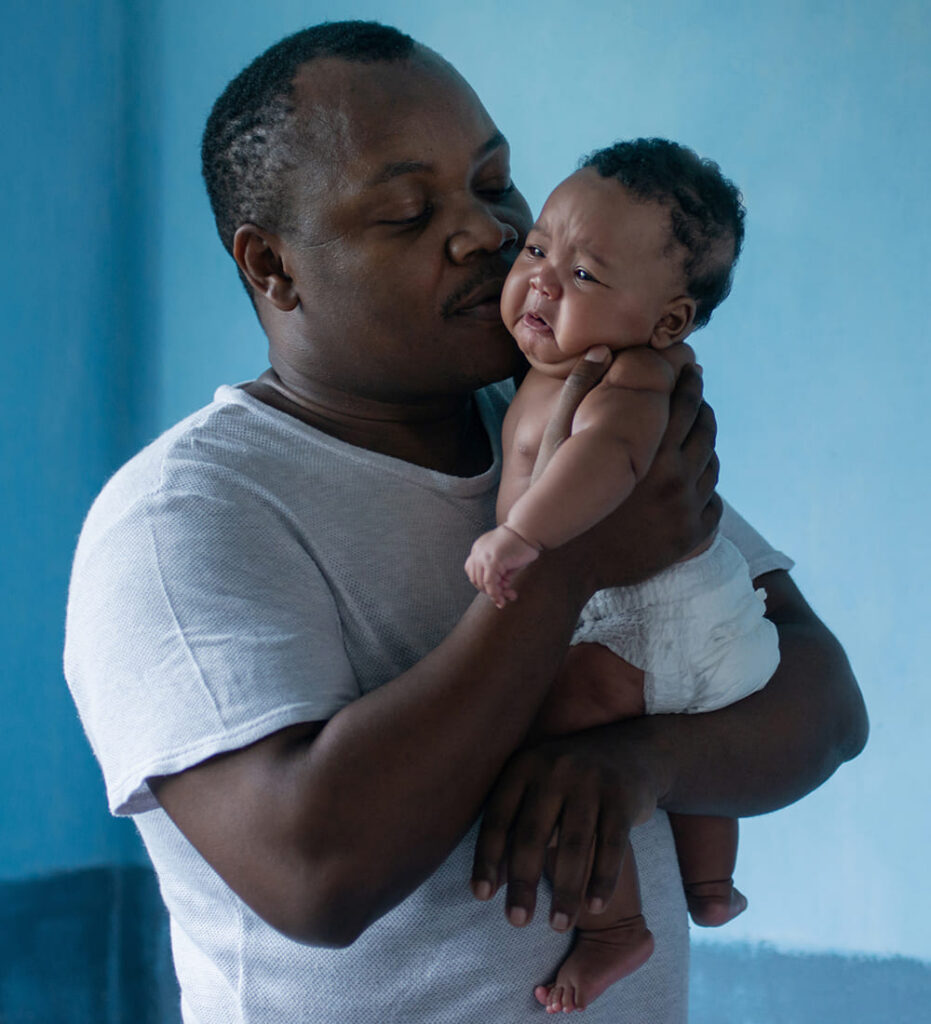
Yes. Although many mothers are affected, anxiety can also occur in dads, partners (including same-sex partners), and adoptive parents. Anyone adjusting to the arrival of a baby can experience these symptoms.
-
Are perinatal anxiety and depression different to other types of anxiety and depression?
The symptoms are similar, but the context is different. The perinatal period brings major physical, emotional and lifestyle changes, making some people more vulnerable. Anxiety can occur in pregnancy, after birth, or both. Depression can also occur at any point in the perinatal period, not only postnatally.
-
Isn’t it normal to worry a lot at this time? How do I know when it’s a problem?
It is normal to have ups and downs during the perinatal period. However, if your worries last for more than two weeks, feel intense, or interfere with sleep, daily tasks, or enjoyment of life, it may be perinatal anxiety. If this is the case for you, you might want to speak to your GP, midwife or health visitor about how you are feeling; support and treatment can help you feel better sooner.
-
Does having intrusive or frightening thoughts mean my baby is at risk?
No. Intrusive thoughts, including thoughts about harm coming to your baby, are common in perinatal anxiety. They are distressing, but having a thought does not mean you will act on it. These thoughts say nothing about your ability to care for your child. Research shows that infants of parents who have these thoughts are at no greater risk of harm than other infants.
-
Will people think I’m a bad parent if I ask for help?
No. Many people with perinatal anxiety put on a brave face and “look like they’re coping”, even when they feel overwhelmed inside. Asking for help shows strength, not failure.
-
Will social services take my baby if I tell someone how I feel?
This is a very common fear, but it is extremely rare. Health professionals want to support you, not judge you. Being open about your symptoms allows you to get help – it does not mean your baby will be taken away.
-
Will I be forced to take medication?
No. Medication is one option, but not the only one. Other treatments (such as Cognitive Behavioural Therapy and Mindfulness) are also effective. Visit our treatment pages for more information. Your healthcare professional can help you choose what feels right for you.
-
Do I have to stop breastfeeding if I take antidepressants?
Not necessarily. Some medications are compatible with breastfeeding. Your healthcare professional can talk through the safest options for you and your baby.
-
Will my symptoms go away on their own?
Some people do feel better over time, but many continue struggling without support. Perinatal anxiety is not something you can simply switch off or ‘snap out of’, just as you can’t heal a physical injury instantly. Treatment or self-help strategies (like those in our Self-Help Tools section) can help you recover more quickly and prevent symptoms from worsening. You don’t need to wait to feel better.
-
Is perinatal anxiety a real illness?
Yes. Perinatal anxiety is well recognised in research and healthcare. It is common and treatable, and you deserve support.
Continue to find out more about perinatal anxiety by clicking on the links below.