Reducing the power of your thoughts
Anxiety is a huge topic, but hopefully you have now learnt a bit about what triggers your anxiety, and how your thoughts can play a role in the anxiety you experience. Unfortunately, anxious thoughts can feel very real and frightening, making it easy to get swept away by them. But thoughts are just thoughts – not facts, not predictions, and not reflections of reality or who you are.
One way to help with worries or anxious thoughts is to find a way to separate yourself from them. There are several ways to achieve this: using mindfulness techniques to distance yourself from them, defusing the power they hold, or reframing them.
Techniques for reducing the power of your thoughts

Distance yourself from the thought
We are not our thoughts. Using mindfulness techniques can really help illustrate this, for example: take a moment to observe your thoughts. Don’t chase them or follow them, just notice as they come and go. Notice how they pop up automatically – some are positive, some are negative, and some we agree with, while others we don’t.
When you notice that you are having an unhelpful thought, mentally take a step back from it. Consciously label it as ‘just a negative or anxious thought’. This should help create some distance between you as an individual and your thoughts, allowing you to view them more objectively.
Once you have labelled your thought in this way, take a moment to notice how this makes you feel. Notice its impact on your physical reactions and feelings, but don’t try to change it. Trying to suppress thoughts can often just make them resurface, like trying to submerge a balloon in water; the thought (like the balloon) will keep trying to rise to the surface. Instead of fighting it, just allow the thought to be, without judging, changing or reacting to it in any way. For example, you could say:
“I notice I’m having an anxious thought. It makes sense that my heart is pounding and my hands are shaking. Instead of reacting or changing what I’m doing, I’ll let the thought be here and observe it from a distance, with curiosity and without judgement, and see what happens.”
Once you have recognised and observed your thoughts, you can consciously choose to let them go. Visualisation techniques may help with this. For example, you might find it helpful to imagine your negative thoughts as:
- clouds passing across the sky
- balloon floating away
- leaves drifting down a stream
…getting smaller, until they finally disappear. This is not the same as trying to suppress these thoughts. Instead, you are recognising them, but then simply watching them as they come and go. Distancing yourself from your thoughts in this way should help them lose their power.
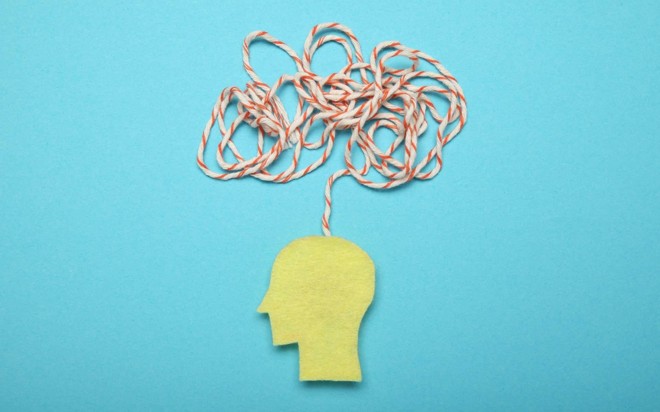
Diffusion Techniques
There are many different diffusion techniques that you can try. The aim is to reduce the intensity of your thoughts by stripping them of their power, and even laughing at them if you can (although that is always difficult!). Here are a couple of simple techniques you can try:
- Repeat the thought to yourself in a silly voice
- Sing the thought (in your head, or out loud)
- Say “How silly that I am still having the thought that…”
- Repeat the thought out loud and very slowly
Getting diffusion techniques to work can take practice – so why not try one of these techniques now by thinking about a thought you often have when you feel anxious. Start by just experiencing the anxious thought and noticing how it makes you feel. Then, apply one of the diffusion techniques above. Play with it, and as you do, take note of how your feelings shift.

Reframing your thoughts
Another way to reduce the power of your thoughts is to try to change your perspective. You can do this in several ways. For example:
If someone you cared about told you they were having these thoughts, what would you say to them? We are often much more critical of ourselves than we are of others, so try to be kind to yourself and give yourself the advice you would give a friend.
When we are anxious, our worries can seem to engulf us and sometimes feel like the most important thing in the world right now.
Try to put this into perspective. Take a moment to think about how much your worries will matter in 3-, 6- or 12-months’ time. In the grander scheme of things, are they still as important?
We often get swept up in how we feel about things when we experience anxiety, which means it can be very difficult to see things as they really are. Ask yourself whether your anxious thoughts are based on facts, feelings or faulty perceptions. Try challenging the thoughts and feelings you have. The aim is to gain a more objective view of reality, rather than a subjective and emotional one.
You can learn more techniques in the Managing Anxious Thoughts section of the site.
Note – Thinking differently and challenging your thoughts can be particularly challenging when emotions are running high. Remember, anxiety involves thoughts, physical symptoms and behaviours. While these can work together to make you more anxious, they can also work together to soothe any anxiety you feel. Physical relaxation techniques, such as breathing exercises or grounding—may help calm your body so you can think more clearly.