Challenging Anxious Thoughts
The way we think can have a huge effect on our wellbeing, and our thoughts can play a significant role in anxiety. Even though we think all the time, we often don’t notice our thoughts as they come and go. But if we take the time to think about our thinking, and notice the contents of our thoughts, we can begin to identify whether or not our thoughts are helpful.
The thoughts we have when we experience anxiety are often quite negative, and can often feel very scary and real. However, thoughts are just thoughts; they are not true reflections of reality, and they don’t necessarily have any bearing on us and our abilities, or what might happen in the future.
Therefore, we need a way to identify and challenge these unhelpful thoughts, and to learn more balanced, helpful, and hopeful ways of thinking.
What are thoughts?
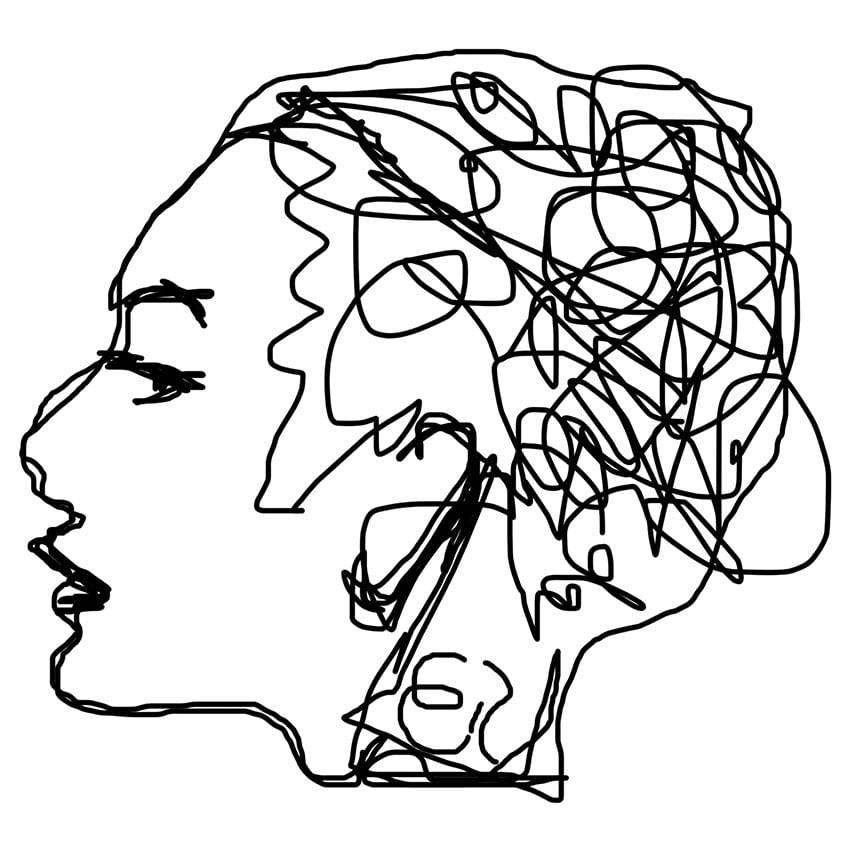
Thoughts are part of life. The automatic inner monologue that we experience everyday; what we say to ourselves in our heads (which some people call ‘self talk’ or their ‘inner voice’). Importantly, thoughts are not the same as feelings. While thoughts occur in our minds, feelings tend to be experienced in our bodies – a racing heart when nervous; an increase in energy when happy.
But while thoughts and feelings are different, they are related to one another. Research has repeatedly shown us that the way in which we think can influence the way we feel. In particular, we know that some thinking patterns are more likely to make us feel anxious or depressed.
One way to manage this, is to start to pay attention to the nature of our thoughts. Notice whether they are helpful or unhelpful, and challenge those that are problematic. In doing this, we can directly change the way we think and, subsequently, how we feel.
Remember… thoughts are not facts – they are often wrong! And they are not set in stone. We have the power to change them.
Work your way through the three links below to see how we can better understand and challenge unhelpful or anxious thoughts.